

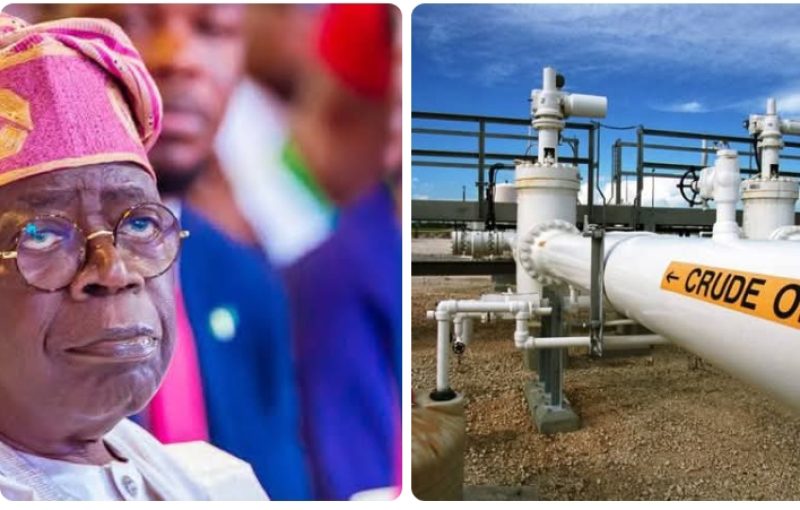
A group—Niger Delta Watchdog (NDW)—has reiterated that Pipeline surveillance contracts remain indispensable to Nigeria’s economic survival.
The group noted that pipeline surveillance is not an optional expenditure—it is a critical national necessity given the stability it has brought to the energy sector and the economy following decades of vandalism of oil pipelines, large-scale crude theft, illegal refineries, and sabotage across the Niger Delta.
This group’s position is coming amidst recent debates surrounding the importance and value of pipeline surveillance contracts in Nigeria.
The stance was contained in a statement signed by its Secretary General, Comr. Godsday Tamarakro, National Coordinator, Dr. Stanley Timipere, and Trustee Chair, Chief James Oboron JP.
The statement reads in part:
“Nigeria’s extensive pipeline network transports crude oil, gas, and refined products across difficult and challenging terrains. Due to long-standing threats from vandals and criminal networks, traditional security agencies alone cannot effectively police these areas.
“The existing pipeline surveillance contracts therefore provide rapid monitoring and response capabilities, intelligence gathering in terrains inaccessible to conventional security, collaboration with local communities who understand the environment. No doubt, this partnership model has improved protection of vital national assets.
“The financial benefits of effective surveillance cannot be overstated. Before enhanced pipeline protection, Nigeria lost between 200,000 and 400,000 barrels of crude per day to theft—amounting to over ₦4 trillion in annual losses.
“With reinforced surveillance contracts, these losses have reduced in protected corridors, resulting in the steady recovery of previously lost crude volumes, billions of naira saved in prevented leakages, improved confidence from international oil companies, increased remittances to the Federation Account. And every additional 100,000 barrels per day secured translates to approximately $3 billion (₦4.5trillion+) in annual revenue.
“Pipeline protection has also contributed to the rise in Nigeria’s daily production, which recovered from historic lows of under 1 million barrels per day to 1.5–1.7million barrels per day in recent months.
“This improvement is directly linked to reduced pipeline shutdowns, restoration of previously shut-in assets, safer transportation of crude to terminals, improved operational confidence in the upstream sector.”
The regional group maintained that without effective pipeline surveillance, Nigeria’s production would remain significantly lower than its national and OPEC targets.
Pipeline surveillance also helps in reducing oil spills caused by vandalism, soot pollution from illegal refining, environmental degradation that destroys livelihoods, the group added.
The statement acknowledged that thousands of youths in host communities have gained employment and training, enhancing local stability and reducing sabotage incentives.
“While public scrutiny is welcome, it is important to note that the cost of surveillance contracts is far outweighed by the revenue protected. One week of unchecked crude oil theft can erase the economic value of an entire year of surveillance expenditure.
“Pipeline surveillance contracts are therefore a strategic investment in national security, fiscal sustainability, and economic growth.”
The group declared that pipeline surveillance contracts secure vital infrastructure, protect national revenue, boost crude oil production, restore investor confidence, and provide jobs for local communities.
“Strengthening, rather than weakening, these mechanisms is essential for safeguarding the nation’s energy future,” the group noted
It therefore urged the public to view pipeline surveillance as a patriotic necessity, “one that ensures Nigeria does not continue to lose its wealth in the shadows of criminal activity.”


